The day the war finally stopped
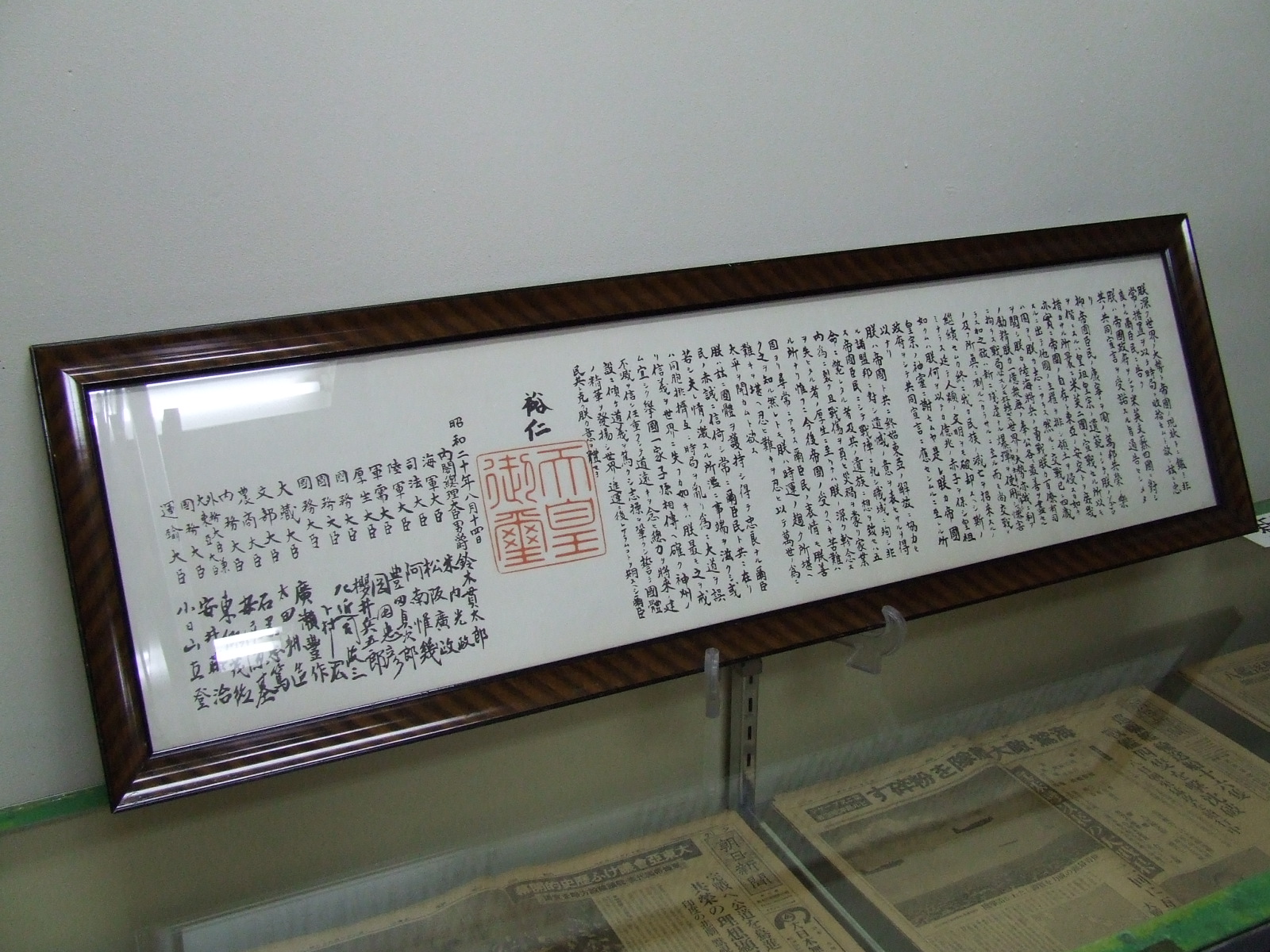
At noon Japan time, Emperor Hirohito read the Imperial Rescript on the Termination of the War over the radio, announcing that Japan accepted the Potsdam Declaration and surrendered unconditionally. China's fourteen-year War of Resistance against Japan and the six-year Second World War came to an end — at the cost of tens of millions of lives.
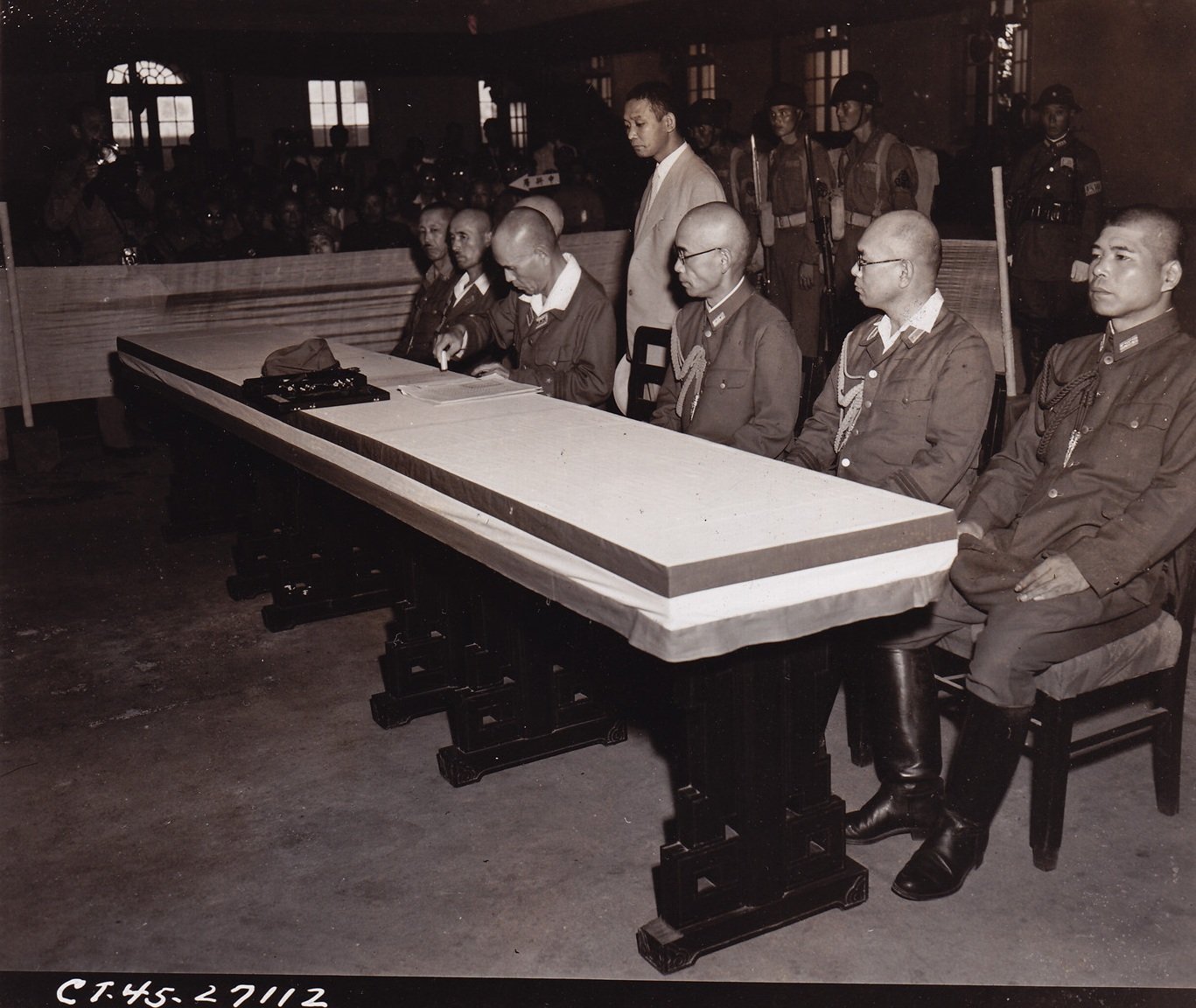
Background: Nanjing, September 9, 1945. Japanese representative Kobayashi Asasaburō hands the instrument of surrender to General He Yingqin, Commander-in-Chief of the Chinese Army.
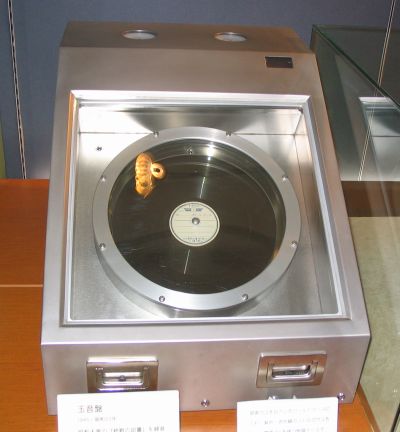
At noon on August 15, 1945, the Japan Broadcasting Corporation (NHK) aired the Imperial Rescript on the Termination of the War, pre-recorded by Emperor Hirohito. For most Japanese people it was the first time they had ever heard the Emperor's voice. It became known as the Gyokuon-hōsō, the "Jewel Voice Broadcast."
Written in archaic classical Japanese, the rescript never once used the word "surrender," and many listeners did not immediately understand it. But the message was unmistakable: Japan had accepted the Potsdam Declaration issued by the Allies on July 26. The war was over.
堪ヘ難キヲ堪ヘ、忍ヒ難キヲ忍ヒ……
"…enduring the unendurable and suffering what is insufferable…"
— Imperial Rescript on the Termination of the War (signed August 14, broadcast August 15, 1945)
From the Potsdam Declaration to the surrender ceremony in Nanjing — in just six weeks, the world passed through one of the darkest and most decisive moments in human history.
China, the United States and Britain jointly called on Japan to surrender unconditionally or face "prompt and utter destruction." The Japanese government answered with mokusatsu — silent contempt.
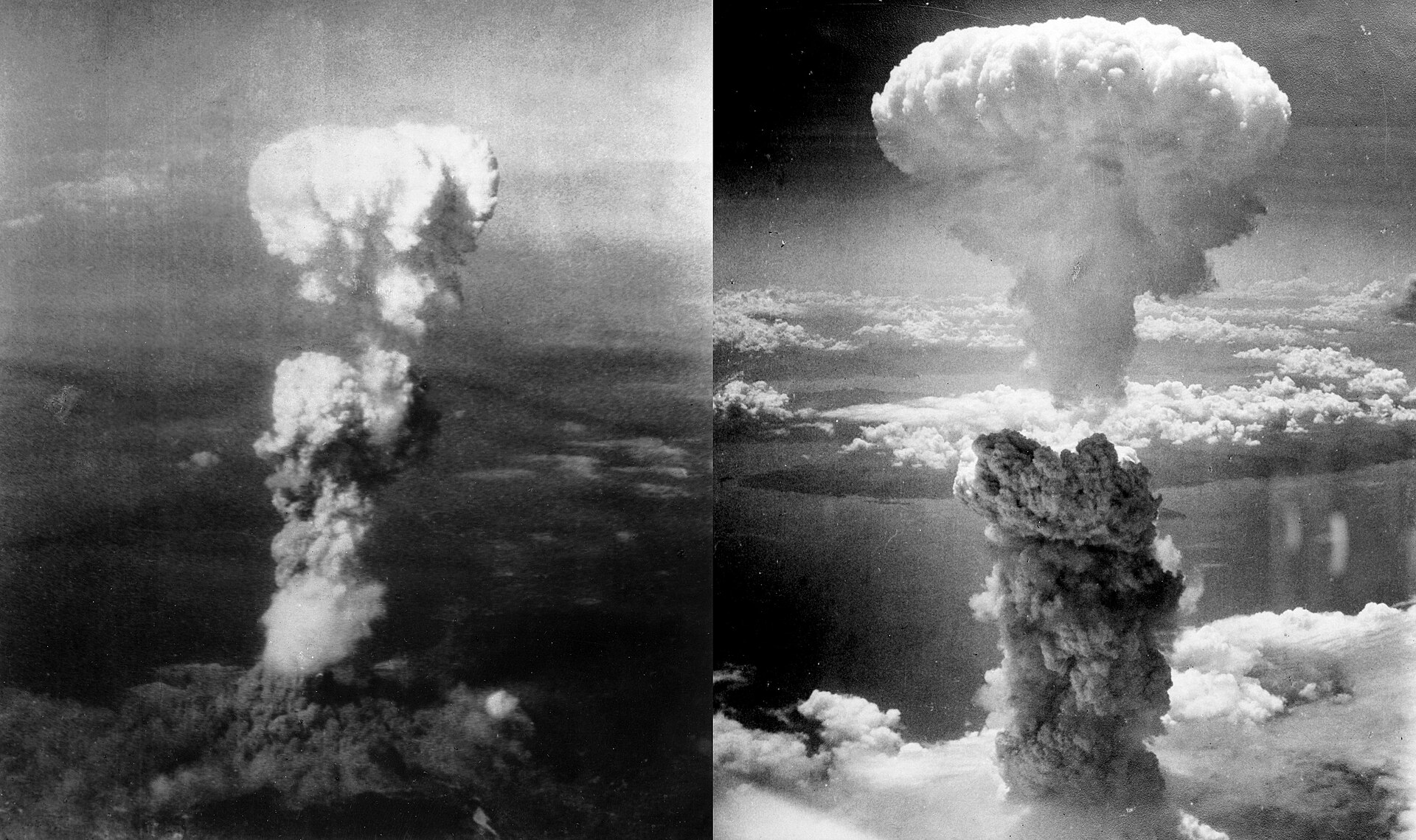
At 8:15 a.m., the atomic bomb "Little Boy" exploded over Hiroshima. The city was reduced to ashes in an instant; by the end of the year, about 140,000 people had died.
The USSR declared war on Japan. Early the next morning, more than 1.5 million Soviet troops crossed the border and launched a full-scale offensive against the Kwantung Army in Northeast China.
At 11:02 a.m., a second atomic bomb, "Fat Man," exploded over Nagasaki. About 74,000 people died by the end of the year, and many more survivors suffered from radiation for the rest of their lives.
At an Imperial Conference, Japan's leaders made the final decision to accept the Potsdam Declaration and notified the Allies through neutral Switzerland and Sweden. That night, the Emperor recorded the rescript.
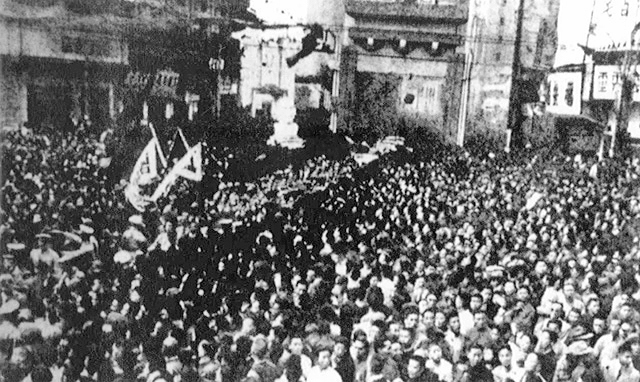
At noon, the Jewel Voice Broadcast was heard across Japan and its occupied territories. The news reached Chongqing, Yan'an, Shanghai… and hundreds of millions of Chinese people spread the word: we have won.
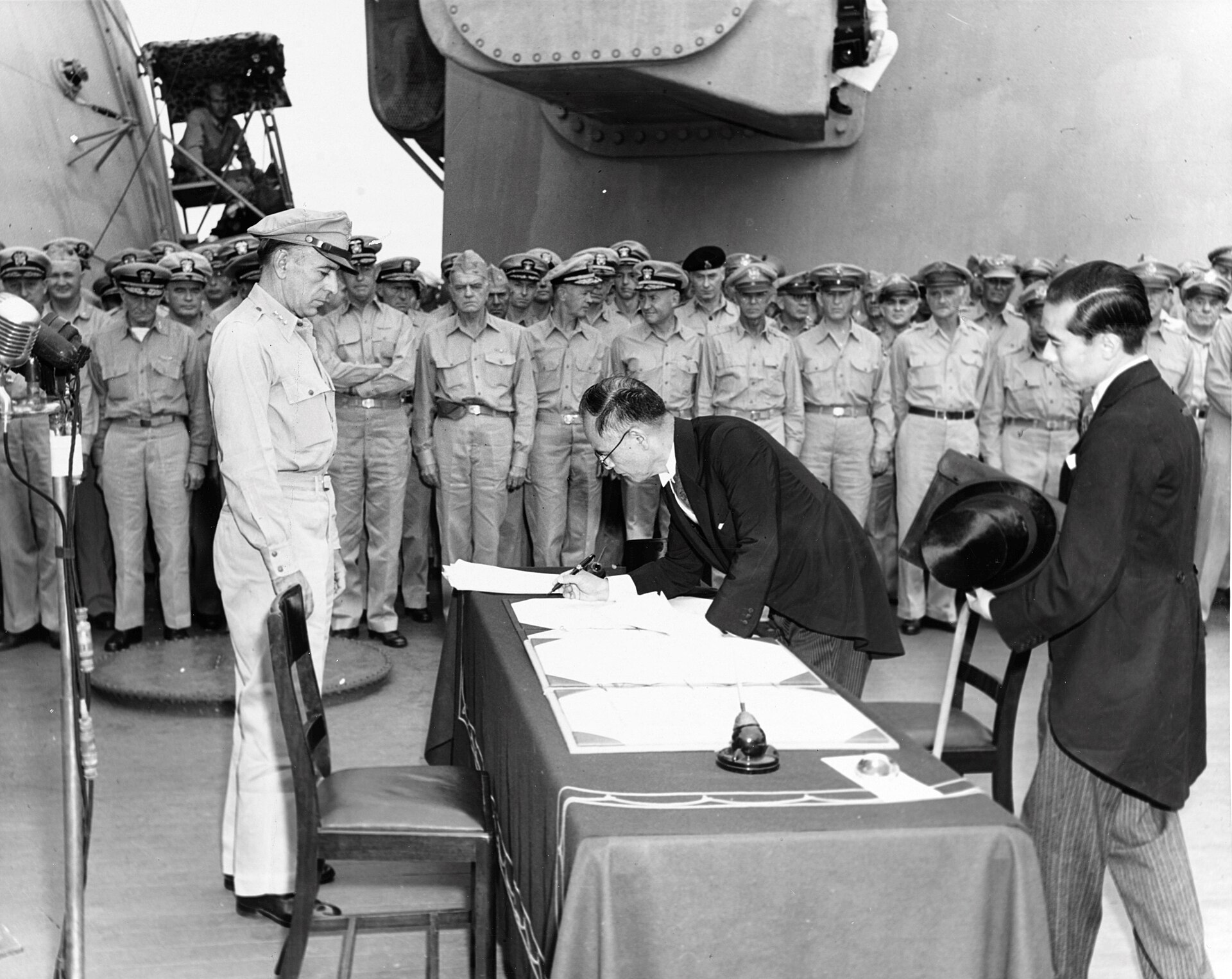
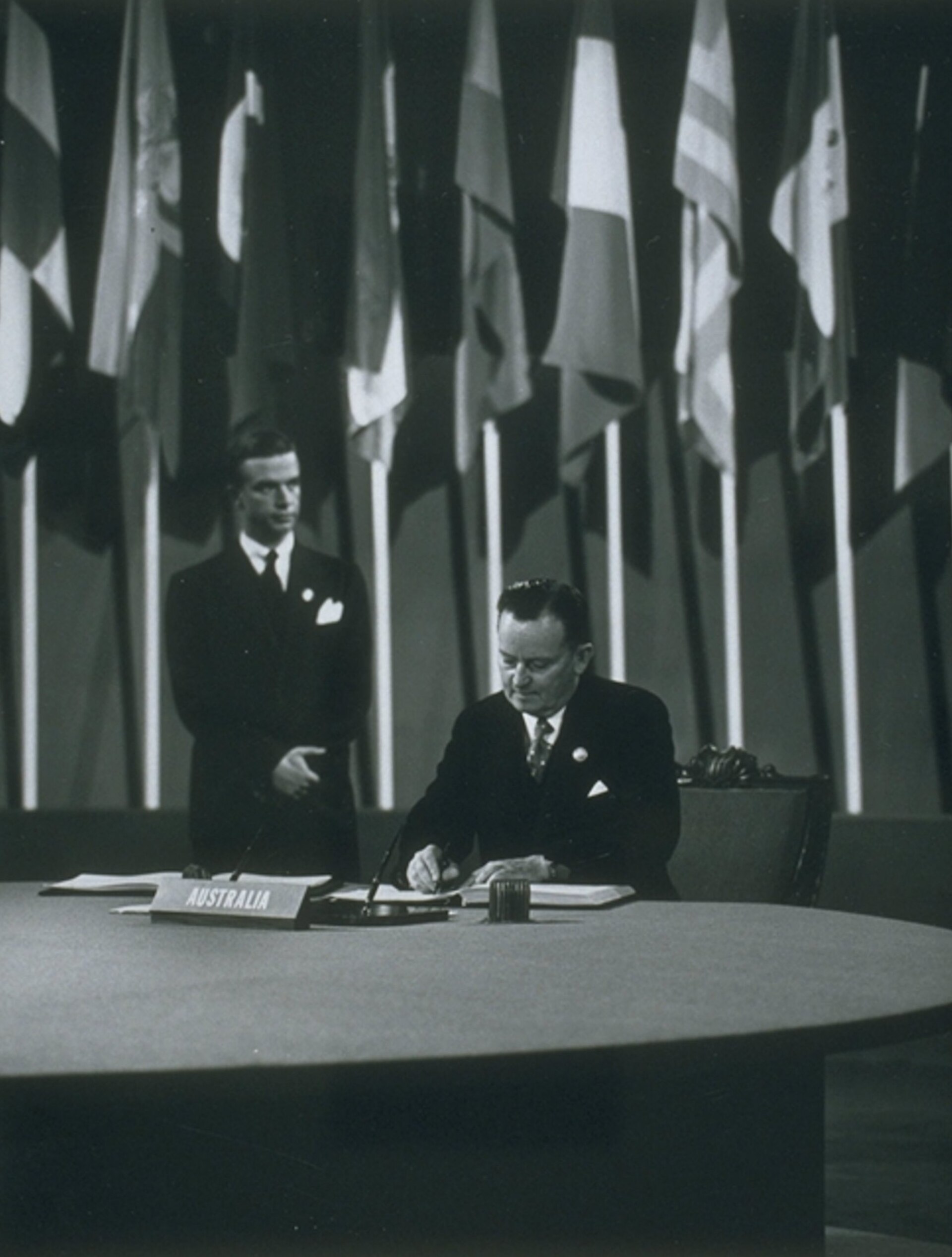
Aboard the battleship USS Missouri in Tokyo Bay, Japanese representatives Shigemitsu Mamoru and Umezu Yoshijirō signed the Instrument of Surrender. General Xu Yongchang signed for China. The Second World War was formally over.
The surrender ceremony for the China Theater was held in Nanjing. Okamura Yasuji, commander of the Japanese China Expeditionary Army, signed and sealed the surrender document, and his chief of staff Kobayashi Asasaburō handed it to General He Yingqin. On land invaded for fourteen years, the invaders bowed their heads.
Behind every number is someone who never came home, and a family that waited in vain.
Note: casualty figures vary with sources and methods. This site uses commonly cited scholarly or official estimates — see Sources.
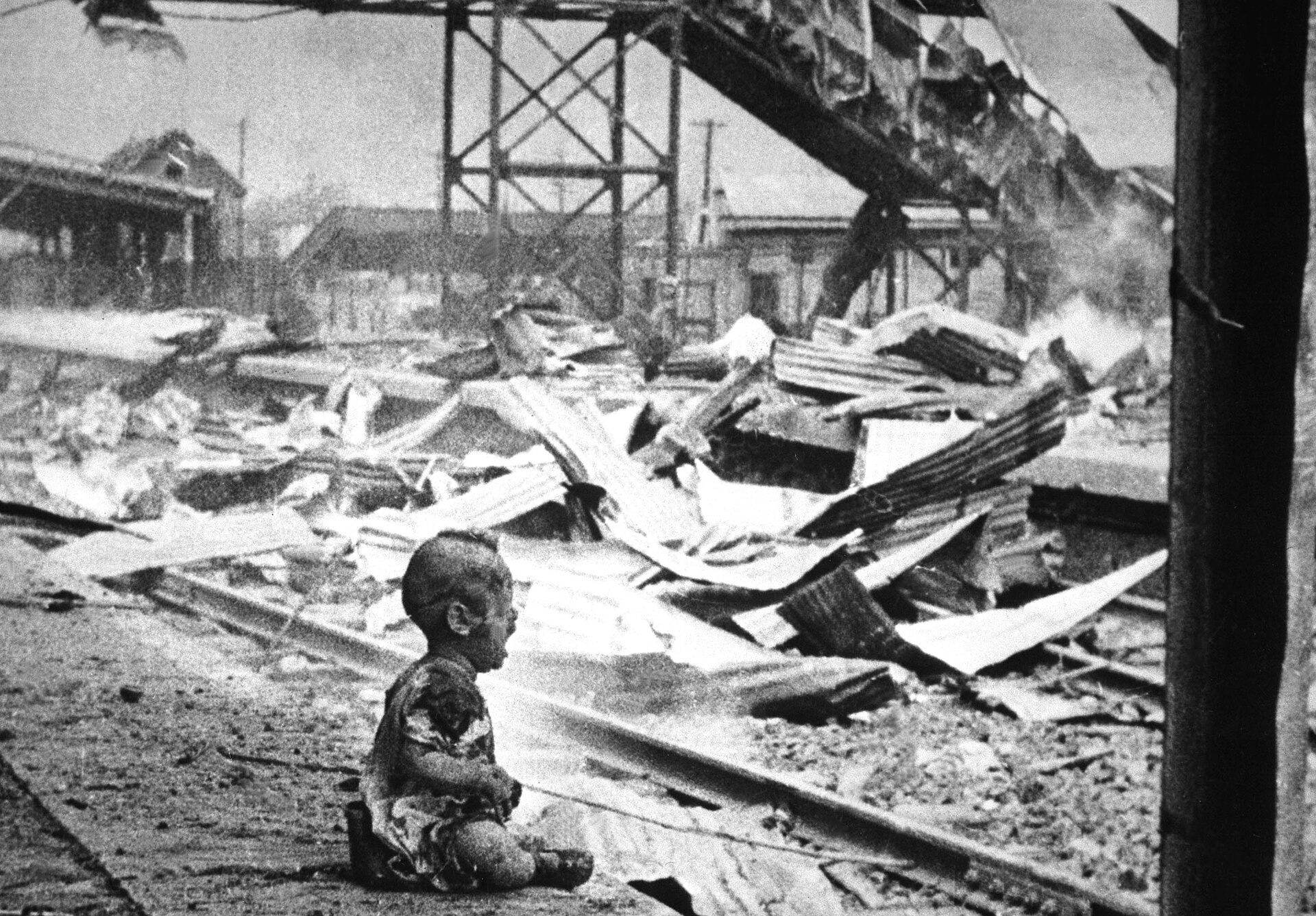
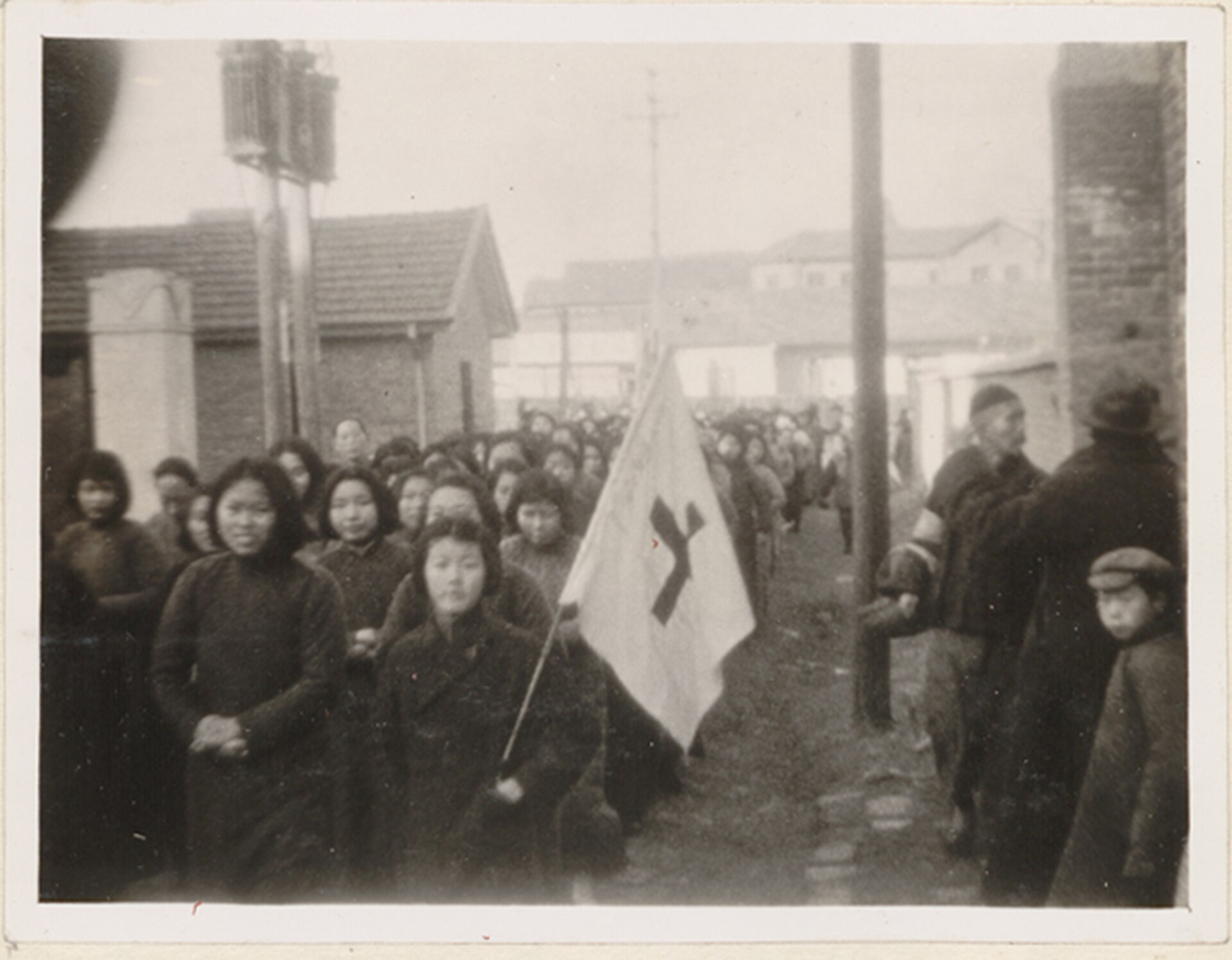
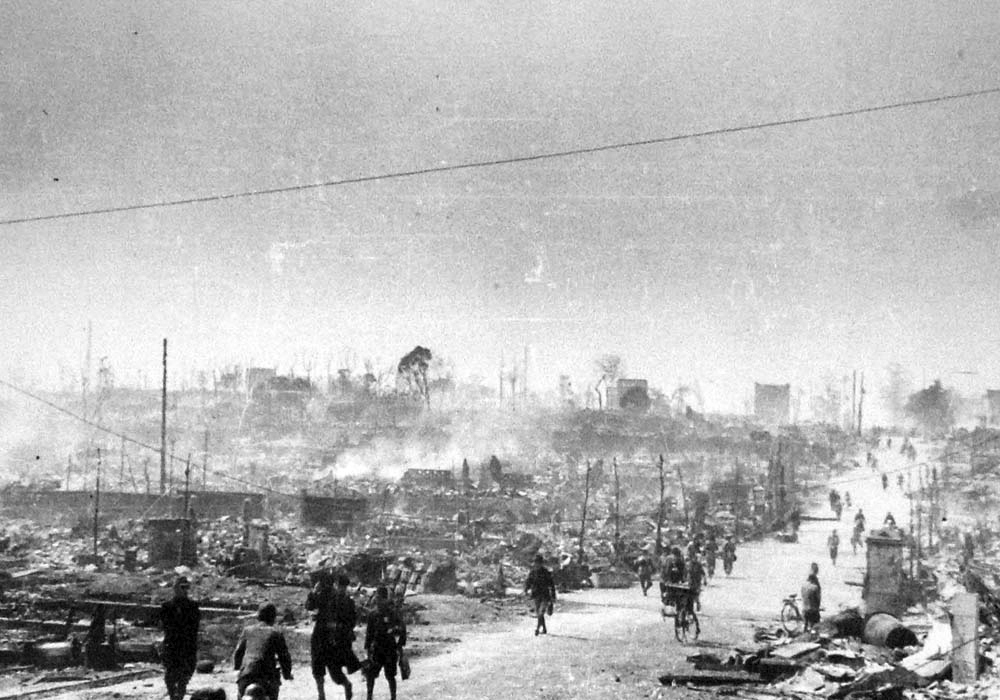
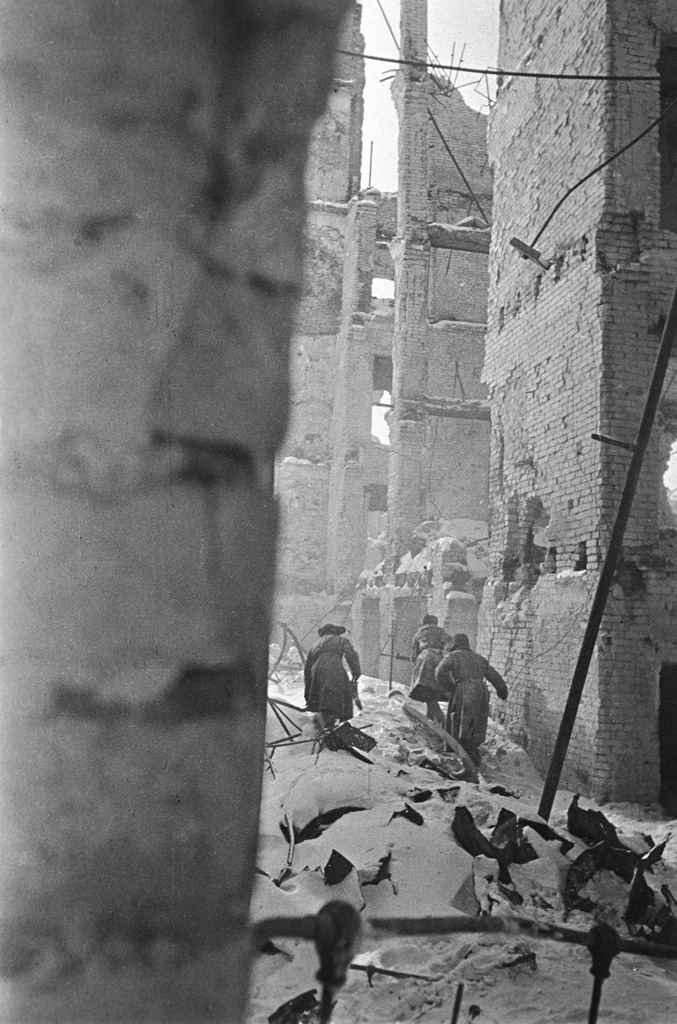
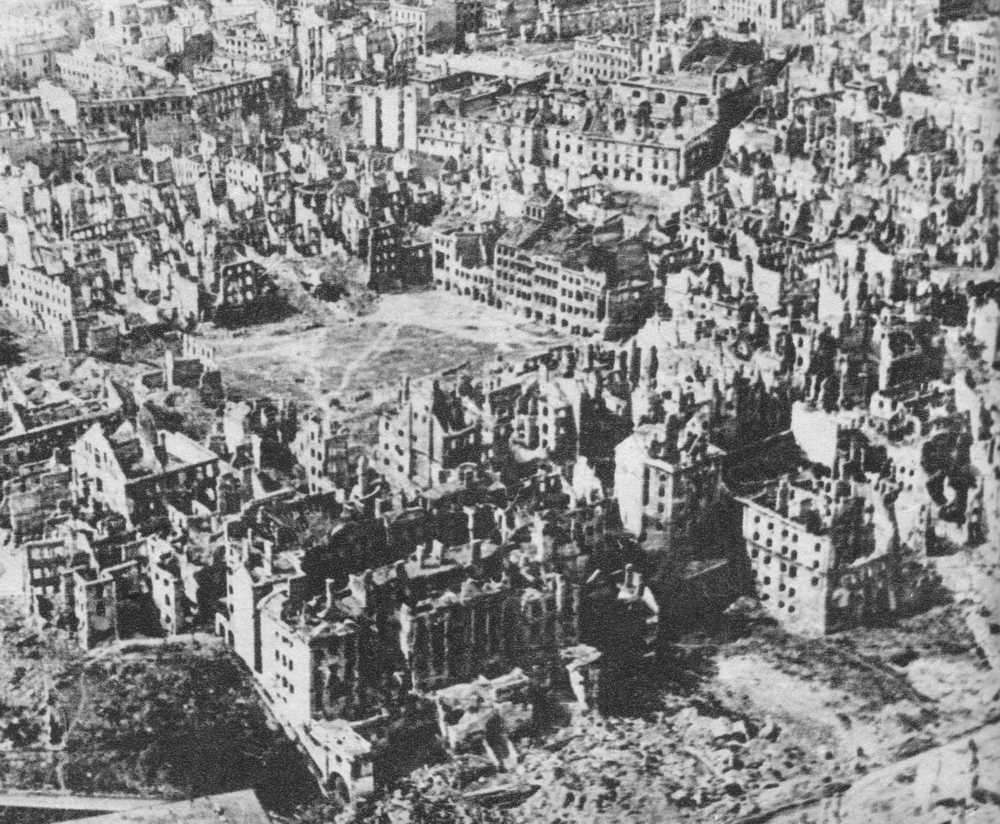
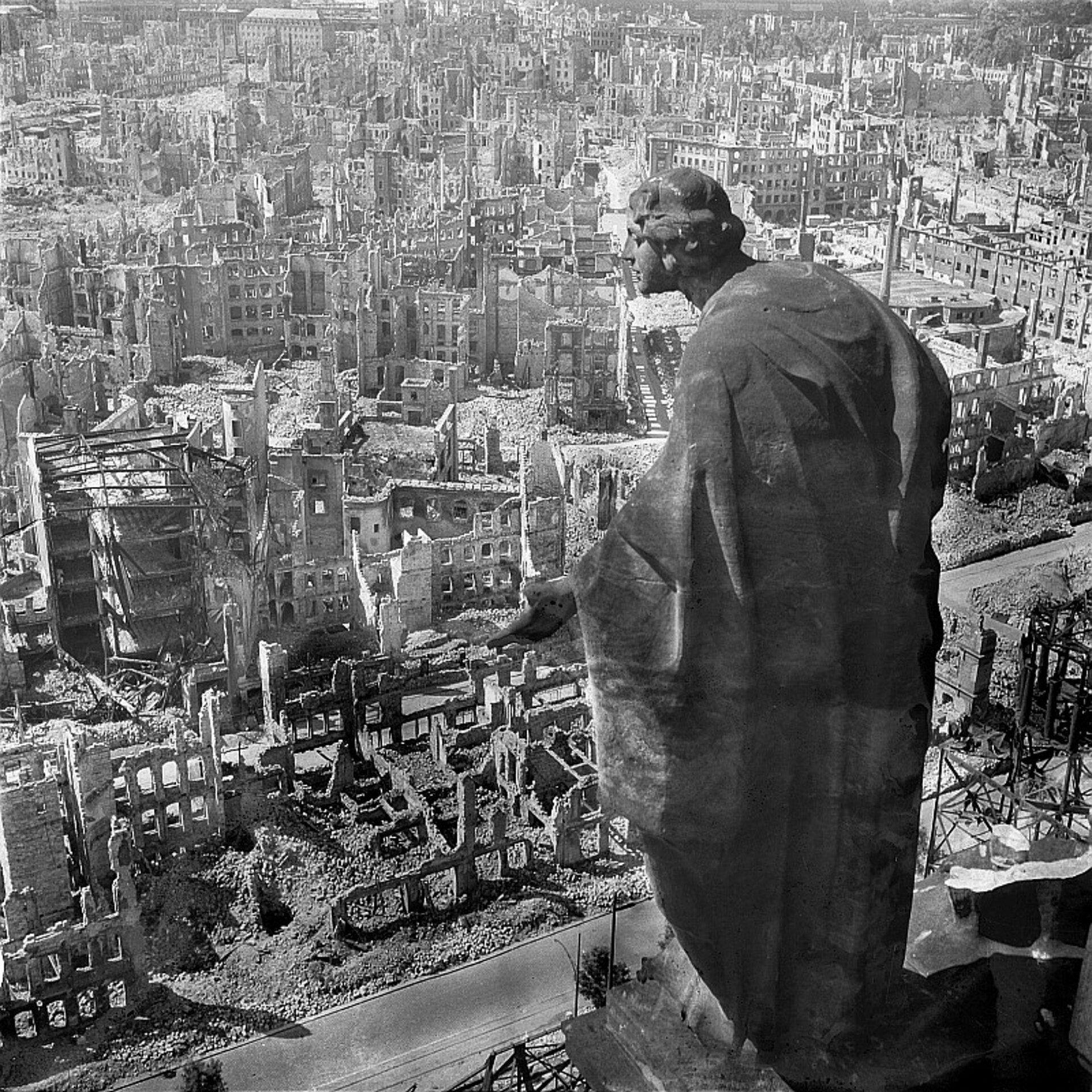
War knows no borders. Cities were flattened, civilians driven from their homes, children left crying in the rubble. Click a photo to enlarge it.
August 15, 1945 was a day of victory for nations that had been invaded, and the day militarism collapsed. We remember it to honor everyone who died in the war, whatever their country; to remember the crimes the aggressors committed; and to remember how ideas that excused war led the world, step by step, into the abyss.
Today, those who lived through that war are leaving us one by one. If we forget, history may repeat itself in another form. Facing history honestly, opposing war and protecting peace is work that every generation must take up anew.